A First Visit to an In-the-Round Show
A first visit to an in-the-round show can feel more comfortable when you know what to ask the venue, how to prepare, and what the shared space involves.

What should you expect at your first in-the-round show? The performers will be surrounded by seats rather than facing a single bank of spectators, so the experience involves sharing a room as well as watching a story. A little preparation can help you feel at ease without trying to anticipate every moment.
Understand what in-the-round theatre involves
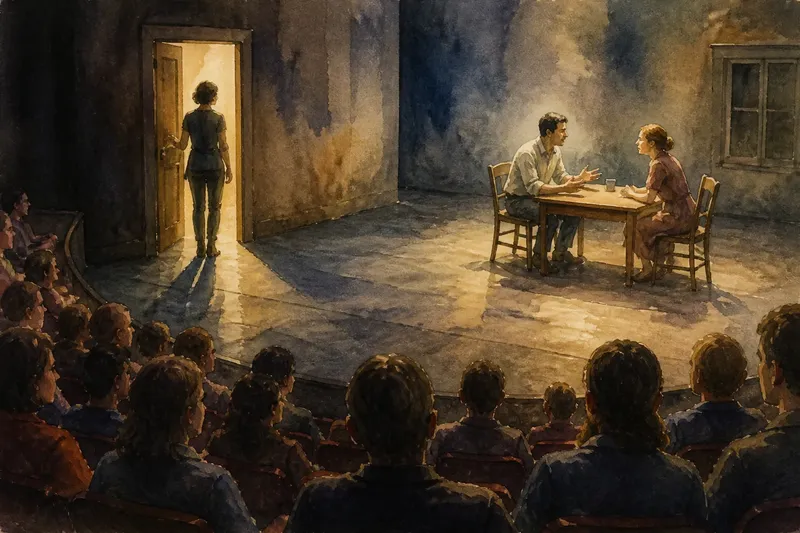
In-the-round theatre places the playing area amid the audience. The arrangement may be circular, square or irregular, with aisles and seating banks shaped around the performance space. Check the venue’s seating plan for the stage boundary and any production-specific notes.
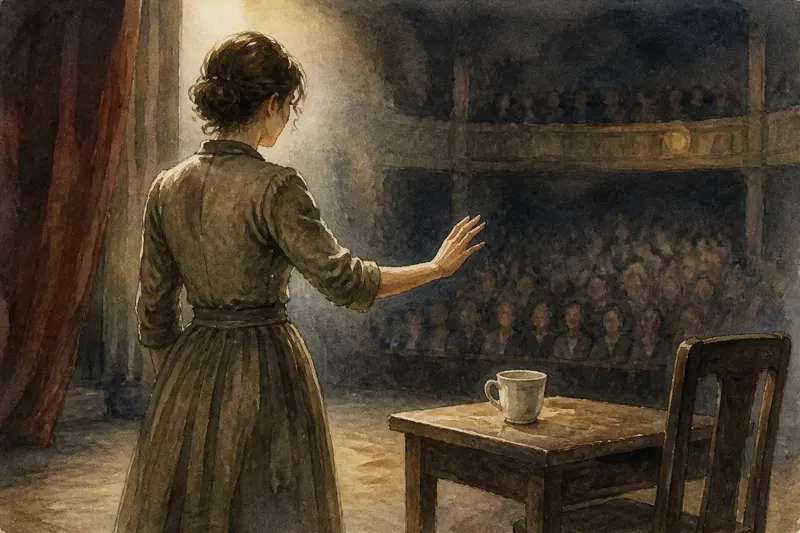
There is no single front of the room. Performers may address different sections, and a person seated opposite you may be visible throughout the show. That shared presence is part of the arrangement, though the performance—not the other spectators—remains the reason to be there.
Choose a seat that suits your comfort
Before booking, check whether the seating plan marks restricted views, steps, aisles or access arrangements. If you have a particular need, ask the venue about the setup for that production; staff can clarify details that a general plan may not show.
Consider how you feel about being near the playing area, sitting among other spectators or using an aisle. No position is automatically best. If you are deciding between seats, ask the venue a precise question, such as whether a particular section is close to an entrance performers use or whether an aisle must remain clear.
- Check for a restricted-view notice; if one appears, ask the venue what is obstructed, then choose another seat if the stated obstruction would trouble you.
- Check whether the seat is beside an aisle; if you prefer an open edge, consider it, but choose an interior seat if passing activity would distract you.
- Check the plan for steps or level changes; if these affect your access, contact the venue before booking and ask about a suitable alternative.
- Check whether the production lists a particular playing area; if it does, compare that information with the seating plan, but ask staff if the relationship remains unclear.
- Check the venue’s instructions for late entry; if entry may involve crossing the playing space, plan to arrive in good time, but follow staff guidance if circumstances change.
- Check what the venue says about bags; if they must be kept out of aisles, store yours beneath your seat when permitted, but ask staff for help if it cannot be placed safely.
Settle into the shared room
Give yourself time to find your section and read any signs or instructions. Keep belongings within your own space, and do not move seats or alter the layout without permission. If you need assistance, speak to venue staff rather than trying to solve an access or seating issue yourself.
Imagine you have booked an aisle seat because you find it uncomfortable to sit between other people. At the venue, staff explain that the aisle must stay clear and that your coat may not be placed there. You put it beneath your seat, where permitted, and keep the route open; the result is that you retain the seat you chose without obstructing others.
What should you know before booking?
Will I see the whole playing area?
Not necessarily. Other spectators, set pieces or the shape of the room may block part of your view, so ask the venue about a specific seat if a clear view matters to you.
Will I be close to the performers?
That depends on the seating plan and production. Check the distance and layout with the venue if proximity affects your comfort, and ask about another section if you would prefer more separation.
Can I leave during the performance?
Arrangements vary by venue and show, particularly if the route crosses the playing area. Ask staff before the performance if you may need to leave, then follow their instructions on the night.
What should I do if I need assistance?
Contact the venue ahead of time to discuss access, seating or other practical needs. On arrival, speak to an usher or another member of staff if the arrangements differ from what you were told.
Make the in-the-round experience your own
For a first in-the-round show, the most useful preparation is practical: check the seating plan, ask specific questions and leave time to settle. You do not need to account for every person or detail in the room to enjoy the performance.
If you are uncertain about a seat, describe what would make the visit comfortable—such as fewer steps, an open edge or more distance from the playing area—and ask the venue what options fit. That conversation can help you arrive with a clear plan while leaving the performance itself room to surprise you.